
Inbound vs Outbound Logistics: Meaning and Differences
Quick answer: Inbound logistics is the flow of goods into your business — purchasing, shipping from suppliers, receiving and storing inventory. Outbound logistics is the flow of goods out to customers — order processing, picking, packing, shipping and delivery. Inbound keeps you stocked; outbound gets orders to buyers fast and accurately.
| Inbound logistics | Outbound logistics | |
|---|---|---|
| Direction | Supplier → your warehouse | Your warehouse → customer |
| Main steps | Purchasing, inbound shipping, receiving, storage | Order processing, pick and pack, outbound shipping, delivery |
| Main goal | Right stock at the right cost | Fast, accurate delivery to customers |
| Key metrics | Supplier lead time, receiving accuracy, inventory cost | Order accuracy, fulfillment time, shipping cost |
All the objects around us, including food, clothing, housing, and use, are obtained through complex logistics processes. Consumers can get the goods and services they want through logistics, while for enterprises, having good logistics services can win a competitive advantage and a good reputation. Inbound and outbound logistics are an important part of the e-commerce supply chain.
When you read the following article, you will get the code to build an effective logistics process and get success easier for you, so let’s explore it together!
What is the Meaning of Inbound Logistics?
Inbound logistics is the process of bringing items into one’s warehouse, with the focus on receiving materials and getting supplies with the ultimate goal of obtaining the goods or materials needed to manufacture the company’s products. Simply put, inbound logistics is the process involved in bringing materials and other goods into a company in a way that ensures the inventory that the company will sell afterward.
The following are common Inbound logistics processes:
Purchasing Materials
Select the materials and inventory needed for your business and determine from which manufacturer to purchase it.
Determine The Purchase Order
Keep records of transactions with suppliers and have proper shipment tracking.
Shipping To Distribution Channels
The supplier can help you ship the goods to the proper location. Companies can choose to ship goods to retail stores, warehouses, or other distribution and fulfillment centers.
Receiving The Product
Once the goods are delivered, the receiving team is responsible for receiving the inventory and ensuring that the actual goods match the order.
Storage
After accepting the shipment, the receiving team transfers the inventory to the warehouse for storage.
Reverse Logistics
This is how customer returns and exchanges are handled. The customer inspects the goods and if the product is unopened or in good condition, the goods can be re-stocked.
What is Outbound Logistics?
Outbound logistics is primarily about selling outbound, meeting the needs of others, and shipping finished products out to customers. Its main purpose is to meet customer demand and support the sales process to generate revenue. Simply put, outbound logistics is the delivery of goods to the end customer by fulfilling an order, and finished goods inventory is moved out of the supply chain.
The following are common outbound logistics processes:
Order Processing
When a new order is generated, the order management system sends the order to the appropriate warehouse and places it on the fulfillment list.
Product Picking And Packing
Pick and pack fulfillment is the process that occurs after placing an order from an online store. Use automated inventory information to update in real-time during warehouse product fulfillment to ensure accurate inventory.
Shipping Of Finished Products
The carrier will deliver the goods to the customer on time using various shipping methods depending on the distance the package is shipped.
Customer Service
Companies should answer customers’ questions promptly and deal with order fulfillment and shipping issues promptly.
What Does Outbound Shipment Mean?
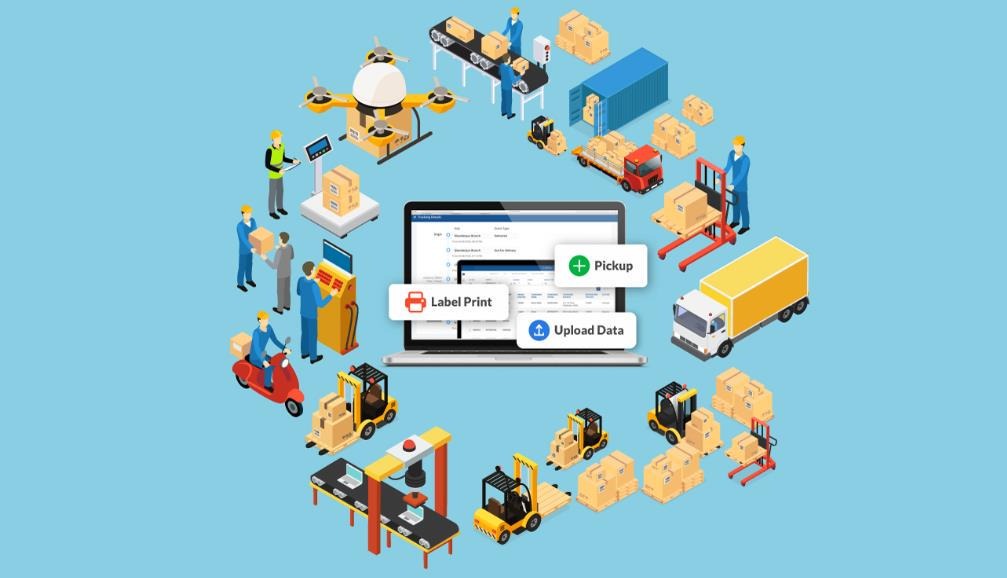
An outbound shipment is any shipment that leaves your warehouse or fulfillment center — a parcel going to an end customer, a pallet going to a retail store, or stock you send to another warehouse such as an Amazon fulfillment center. Inbound shipments are the opposite: goods arriving at your warehouse from suppliers, factories or customer returns. In a warehouse system, outbound shipments are created when orders are released for picking, and they are closed once the carrier scans the package and a tracking number is issued.
What are the Benefits of Having Effective Inbound and Outbound Logistics?
Improve The Flow Of Goods
The logistics process is streamlined and goods can be moved from one stage of the supply chain to the next in a short period, which can save a lot of time and effort for companies.
Improve The Accuracy Of Inventory And Orders
Companies can better control output and monitor logistics processes in real time, which reduces the likelihood of errors and ensures quality by carefully monitoring order fulfillment.
Improve Delivery Speed
Effective inbound and outbound logistics can facilitate fast delivery, which greatly increases the speed of the entire process of ordering, receiving, picking, packing, and shipping, thereby increasing customer satisfaction and improving the competitive edge of the business.
Maximize Profits
Quality inbound and outbound logistics can provide better service to customers, thus meeting their expectations and encouraging them to buy again, which not only increases sales but also enhances the reputation of the business.
Cost Reduction
An efficient logistics system is more cost-effective and can save business sunk costs by ensuring to a greater extent that orders are not lost; and the number of employees required is greatly reduced, saving another sum of business money.
How to Optimize your Inbound and Outbound Logistics?
You can choose easier-to-sell items to invest in and use inventory strategies to minimize the number of times products are on hold and regularly clear inventory to avoid stocking up on out-of-stock.
Improve demand forecasting and optimize inventory levels so that you always have the right amount of stock so that you can schedule shipments and replenishments correctly.
Choose a management system that meets your business needs so that you can track inventory in real time, optimize your routing, and track shipments in real-time.
Choosing the right 3PL provider is critical, and Honest FulPhilment has the most professional team to bring you the expertise and technology to improve your logistics efficiency while providing you with better cost savings and allowing you more time to focus on other areas of growing your business, and we are committed to working with you to build your eCommerce brand.
You must be committed to paying your suppliers on time while communicating effectively with your transportation companies and 3PL partners, collaborating with all parties to make the business run smoothly, and building long-term partnerships with them.
Choose the right shipping carrier to deliver the goods as fast as possible according to the order shipping distance. You can choose to work with a 3PL company to ensure you get volume shipping discounts and more frequent communication with carriers.
Automation features can improve operational efficiency and reduce human error by reducing manual involvement. Automation is a good choice for order processing, generating purchase documents, invoicing, etc.
Conclusion
Establishing effective inbound and outbound logistics is critical to the success of your business, and these processes can impact production profits and customer service. You need a partner company to help you implement the right controls, which can help your business reduce challenges.
If you are interested in learning more about how Honest FulPhilment can manage your logistics information or how we can assist you, you can contact us now.


FAQ
What is the difference between inbound and outbound logistics?
Inbound logistics covers everything that comes into your business: buying, transporting, receiving and storing goods from suppliers. Outbound logistics covers everything that goes out: processing orders, picking, packing and shipping products to customers.
What does outbound shipment mean?
An outbound shipment is a package or freight that leaves your warehouse or fulfillment center on its way to a customer, store or another warehouse. On Amazon, for example, an outbound shipment is stock you send from your own location to an Amazon fulfillment center.
What is inbound shipping?
Inbound shipping is the transport of goods from your suppliers or factories to your warehouse or fulfillment center. It ends when the warehouse receives, checks and stores the stock.
Are returns inbound or outbound logistics?
Returns, also called reverse logistics, are usually treated as inbound because the goods flow back into your warehouse, where they are inspected and restocked or disposed of.
How can a 3PL help with inbound and outbound logistics?
A third-party logistics (3PL) provider can receive your inventory from suppliers, store it, and then pick, pack and ship each order, so both inbound and outbound flows are handled in one place.