
What Is an Ecommerce Fulfillment Center? How It Works
Quick answer: An ecommerce fulfillment center is a third-party warehouse that stores your inventory and picks, packs and ships online orders for you. You send stock in advance, your store sends orders automatically, and the center ships each parcel with tracking and often handles returns. It saves you warehouse space, staff and shipping hassle, in exchange for fees and less direct control.
In eCommerce, more and more merchants are choosing to work with an eCommerce fulfillment center to grow their businesses, because it not only increases efficiency but also helps you avoid mistakes.
In this article, I will introduce the definition of a fulfillment center, the advantages and disadvantages of a fulfillment center, and how a fulfillment center works. At the same time, I will recommend some reliable fulfillment services for you. After reading this article, I believe that you will be able to deepen your understanding of eCommerce fulfillment centers and make decisions easily.
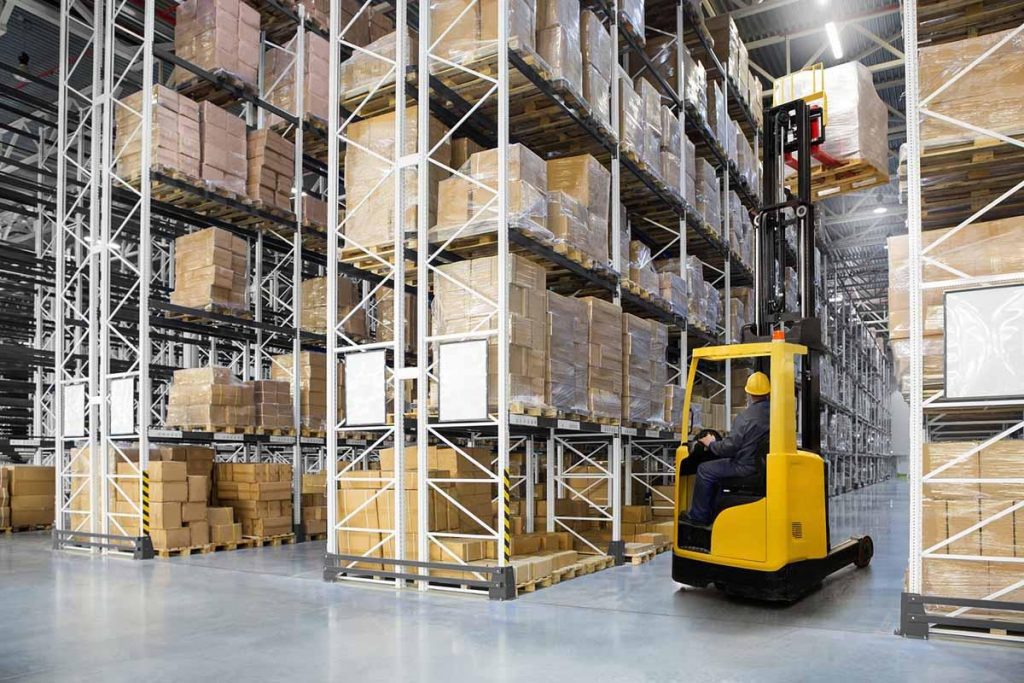
What is an eCommerce Fulfillment Center?
The fulfillment center provides warehouse space for companies to store and process goods and handles the picking, packing, and shipping of orders. When using a fulfillment center, you will need to provide inventory to the operator in advance. After an order is generated, the fulfillment center will take care of everything until the goods are delivered to the customer on time.
The Pros Of eCommerce Fulfillment Centers
No Physical Infrastructure
The space used for inventory and order processing is provided by a third party and you do not have to maintain it.
Efficient Order Processing
Fulfillment centers have professional dispatch teams that ship more efficiently than online merchants.
Low Staffing Costs
The fulfillment center belongs to a third-party service company, so there is no need to worry about the cost of hiring and managing staff.
Wider Selection Of Goods
Merchants can choose a wide variety of suitable products according to their needs without having to worry about managing their own inventory.
Scalable Operation
Fulfillment centers process orders efficiently, allowing merchants to spend more time focusing on their other businesses.
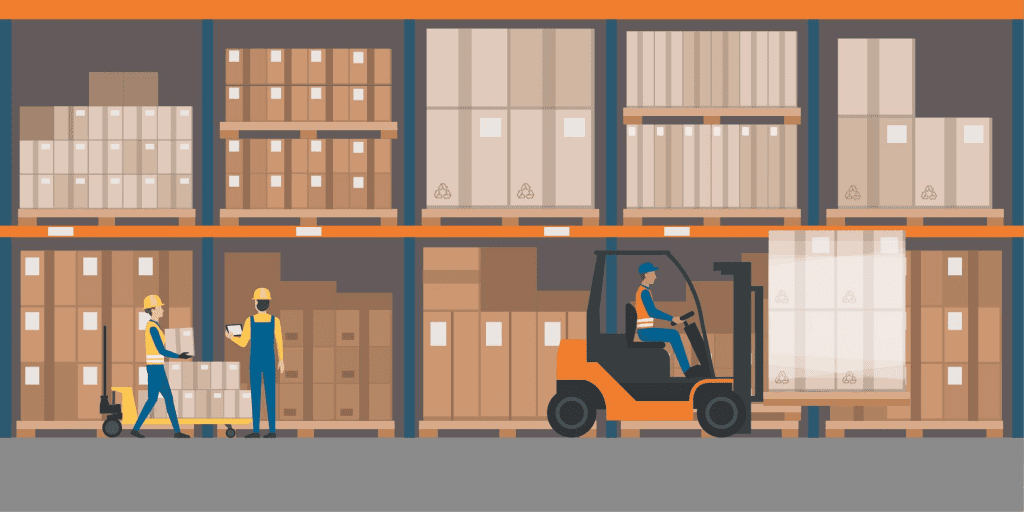
The Cons Of eCommerce Fulfillment Centers
Additional Costs
Merchants must pay fees to the fulfillment center, service fees, and costs for processing orders.
Lack Of Control
The merchant can only provide order information to the fulfillment center, but cannot actively control and intervene in the order processing process.
Variable Delivery Time
The delivery time of an order depends on the distance between the fulfillment center and the customer, so sometimes there may be an extended delivery.
Lack Of Customization
Merchandise orders must be processed according to the uniform requirements of the fulfillment center, and merchants cannot add personalization factors.
Delayed Inventory Replenishment
Merchants are unable to replenish out-of-stock in a timely manner when tracking inventory, which increases the likelihood of order delays.
How do Fulfillment Centers Work?
When an order arises, the fulfillment center will begin sorting and storing inventory. To be able to maintain a stable sales and inventory cycle, real-time inventory tracking and management allows for better optimization of the supply chain workflow and enable merchants to make informed operational decisions.
When a merchant receives a new customer order, the fulfillment center begins processing the order, first picking the order and packaging the merchandise. Throughout the order fulfillment process, the fulfillment center provides kitting services to increase efficiency by packaging multiple products together to sell as a whole.
In order to better manage and improve the workflow and increase efficiency, eCommerce fulfillment centers usually rely on technology for the entire workflow, from receiving orders to processing orders to shipping personnel pickup.
After an order is processed in the fulfillment center, the shipment will be monitored in real time throughout the shipping process. Order tracking is enabled to ensure that the shipping process of packages is more transparent and that problems can be resolved in a timely manner when they arise, ultimately enabling packages to be delivered to customers on time.
What is a Fulfillment Service?
Fulfillment services are any service that helps you ship your orders online. From stocking the goods to inventory storage, picking, packing, and shipping, this is a series of steps that online merchants perform after receiving an order. Third-party fulfillment services are the best option, especially for merchants who do not have the proper space to store and package their products and have difficulty shipping them.
The entire fulfillment service is not a quick and easy process and requires dedicated technicians and an experienced workforce to practice these fulfillment processes with some technical support.
4 Well-Known eCommerce Fulfillment Services
Shopify Fulfillment Network
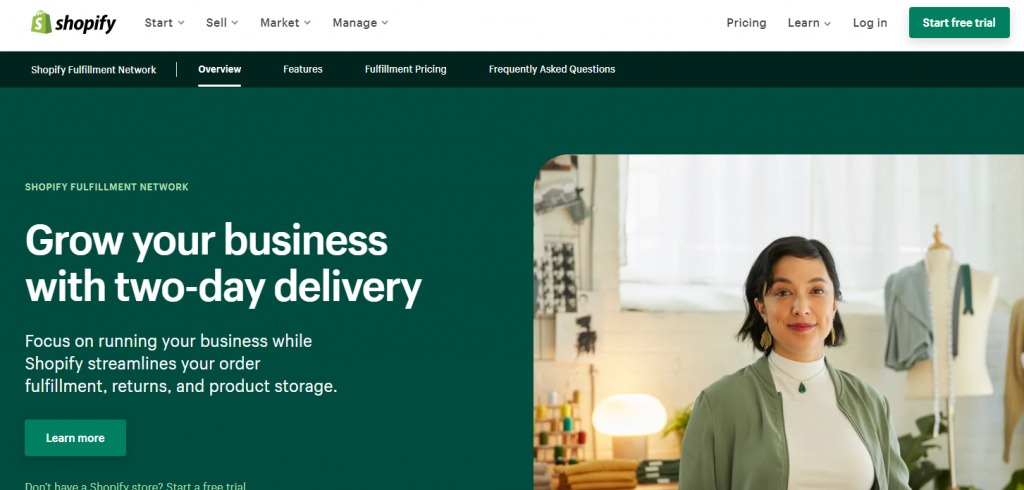
Shopify Fulfillment Network was Shopify’s service for inventory management, packaging, and shipping for platform merchants. In 2023 Shopify sold its logistics business to Flexport, which now runs this fulfillment service for Shopify merchants. It has its own platform to manage merchants’ inventory and fulfillment needs. Shopify provides merchants with the service of tracking inventory, except that you don’t have to worry and deal with any information related to orders.
Amazon Fulfillment Center
If you sell your products through Amazon, then I highly recommend that you choose Amazon Fulfillment for yourself. New sellers can easily access promotions, and Amazon handles storage, shipping, customer service and returns for a fee. Ship your products directly to Amazon’s operations center and Amazon will take care of all the processes outside of the sale.
Honest FulPhilment
Honest FulPhilment is committed to providing comprehensive e-commerce fulfillment solutions tailored to the specific requirements of our customers. They have software that integrates seamlessly with customers’ stores, provides you with warehousing and delivery services, and automates order processing to reduce human error. By operating their software, you can achieve online shipment tracking.
ShipBob

ShipBob is an excellent choice for e-commerce businesses as it allows for efficient and cost-effective shipping of products for merchants. They enable businesses to shorten shipping times and reduce overall shipping costs through innovative technology. It has its own software that makes it easy and fast to process orders and provides merchants with inventory management tools.
Learn More
Leveraging fulfillment centers can provide more flexible options for e-commerce. The best e-commerce services can improve the efficiency of the entire fulfillment process, earning you more profit while giving you more time and energy to focus on your other business.
Choosing a reliable third-party fulfillment partner is critical to growing your business, and Honest FulPhilment can provide you with the most personalized fulfillment services available. If you want to know more information, please contact us today.


Related guides:
- Fulfillment center vs warehouse: what are the differences?
- What is an eCommerce fulfillment specialist?
- Dropshipping vs eCommerce fulfillment: what is the difference?
FAQ
What is an ecommerce fulfillment center?
An ecommerce fulfillment center is a warehouse run by a third party that stores online sellers' inventory and picks, packs and ships each order to the end customer, often handling returns too.
What is the difference between a warehouse and a fulfillment center?
A warehouse mainly stores goods for longer periods, often in bulk. A fulfillment center is built to move stock quickly, processing individual customer orders every day and shipping them out.
What is 3rd party fulfillment?
Third-party fulfillment means outsourcing storage, picking, packing and shipping to an outside company (a 3PL) instead of doing it yourself. The 3PL connects to your store and ships orders automatically.
What is an ecommerce fulfillment network?
An ecommerce fulfillment network is a group of fulfillment centers in different locations. Splitting inventory across them puts stock closer to customers, which shortens delivery times and lowers shipping costs.
What is the order fulfillment process in a fulfillment center?
Inventory is received and stored, the order arrives from your store, staff pick and pack the items, the parcel is shipped with a tracking number, and returns are processed if needed.