
Distributor vs Supplier vs Wholesaler: Key Differences
Quick answer: A supplier is any business or person that provides goods or materials to another business; manufacturers, distributors and wholesalers can all be suppliers. A distributor usually works closely with specific manufacturers, often under an exclusive agreement, buys large volumes and resells to wholesalers or retailers in a region. A wholesaler buys in bulk from manufacturers or distributors, often across many brands, and resells smaller bulk quantities to retailers. In short: supplier is the broad term, distributor is the manufacturer’s partner, wholesaler is the retailer’s source.
| Supplier | Distributor | Wholesaler | |
|---|---|---|---|
| What it is | Anyone who provides goods or materials to a business | Partner of specific manufacturers that resells their products | Bulk reseller of goods from many brands |
| Buys from | Makes the goods or buys them | Manufacturers, often under contract | Manufacturers or distributors |
| Sells to | Manufacturers, distributors, wholesalers or retailers | Wholesalers and retailers | Retailers and other businesses |
| Relationship with manufacturer | Varies | Close, often exclusive by region | Usually none beyond buying |
| Order size | Any | Very large | Large, but smaller than distributors |
As part of the product distribution process, those building a retail business need to know about suppliers, distributors, and wholesalers. Each of these three parties helps businesses protect and distribute their products. However, their involvement in the product distribution process varies.
This article describes the content, different types, and advantages of all three. By reading this article you can understand how they fit into your supply chain. In addition, we will recommend high-quality suppliers to facilitate your choice, and if you have other questions, we can also help you solve them.
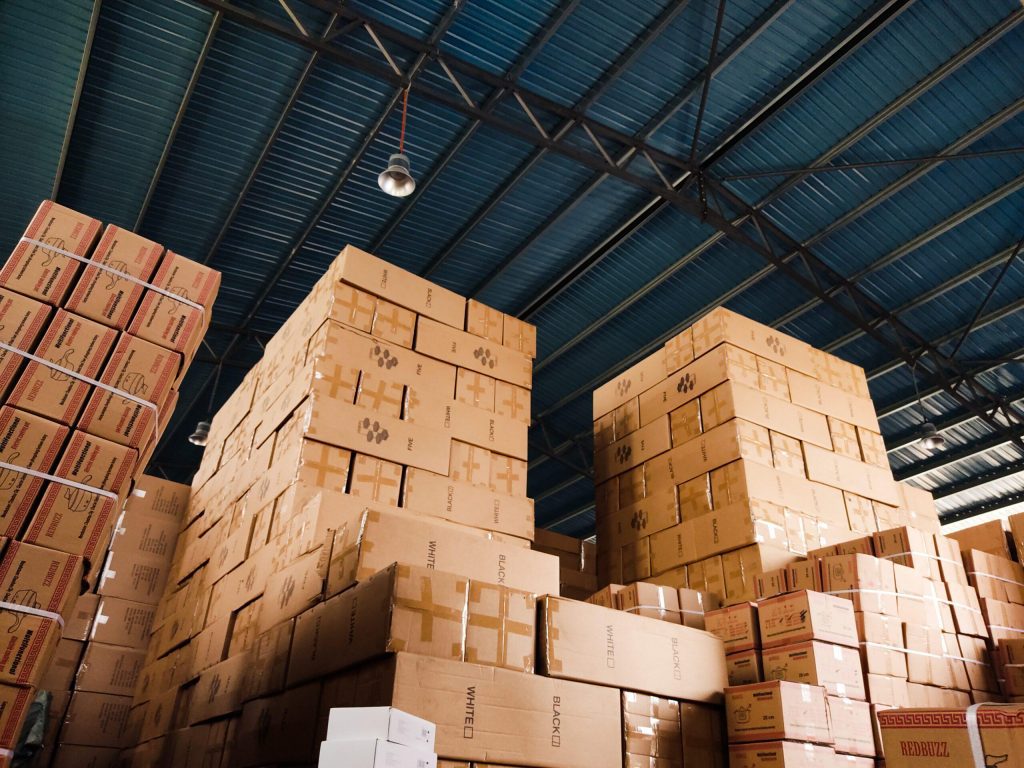
What is a Wholesaler?
Wholesalers are business organizations that directly contact manufacturers and sell products to retailers. Retailers only sell one or two products, while wholesalers buy a large number of products, generally, more than 2 to tens of thousands, all belong to wholesalers. Wholesalers are economic entities that purchase goods from upper-level suppliers (such as factories/agents/distributions) in bulk, and then sell them in bulk to next-level demanders (such as retailers).
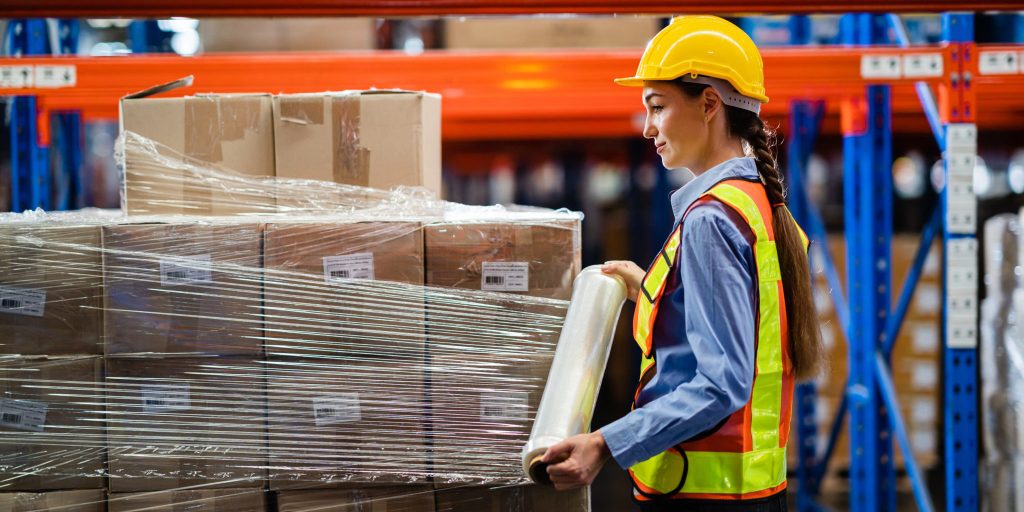
Types of Wholesalers
1
General Merchandise Wholesalers
It operates a wide range and variety of commodities, and its wholesale targets are mainly small and medium-sized retail stores. In the industrial user market, directly face product users.
2
Large-Scale Commodity Wholesalers
Specializing in a certain category of commodities, the business of such commodities is complete in color, variety, brand, and specification. Commodities are usually divided by industry, such as clothing wholesalers, liquor wholesale companies, companies specializing in auto parts, instrument wholesale companies, etc.
3
Professional Wholesalers
The high degree of specialization, specializing in a certain brand in a certain category of goods. Although the scope of business commodities is narrow and single, the scope of business activities and market coverage are very large, generally national. Such as clothing wholesalers, commodity grain wholesalers, petroleum wholesalers, timber wholesalers, paper wholesalers, metal material wholesalers, chemical raw material wholesalers, mineral wholesalers, and so on.
4
Wholesale Market
The wholesale trading market is a business format between the retail industry and the wholesale industry, and the trading behavior is not very standardized. Bulk trading of goods at wholesale prices. Its types include the wholesale market at the origin, the wholesale market at the place of sale, and the wholesale market at the distribution center.
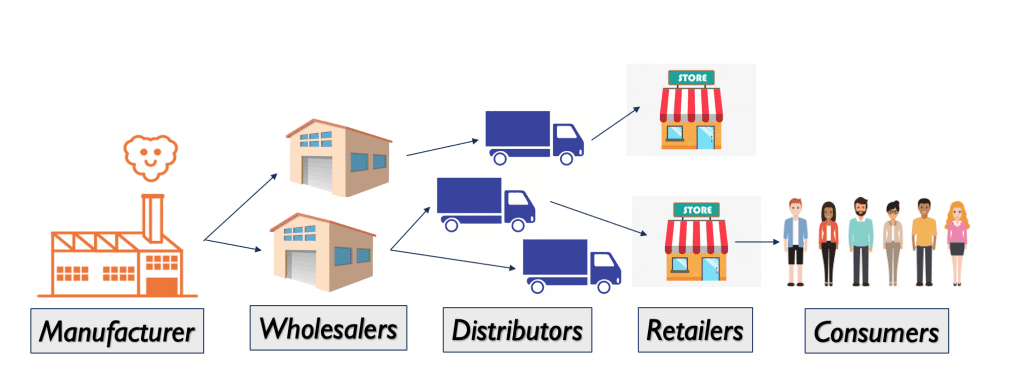
What is a Distributor?
A distributor is an intermediary who acquires title to goods in a trade. They take ownership of goods by purchasing and reselling them, so they take all kinds of risks. The distributor decides the price, and is only interested in profit and not faithful to which manufacturer and exporter. Common distribution methods are distribution, wholesale, and retail.
Types of Distributors
With the change in consumer groups, the market demand is increasing. In order to meet the needs of the market, more and more distribution systems have appeared. As market competition intensifies, more and more friends have become distributors. And many friends use this marketing method to help themselves achieve online marketing and enhance the influence of their own brands. How many types of distributors are there?
1
Vertical Channel System
The vertical channel system is composed of vertically integrated producers, wholesalers, and retailers, whose members belong to the same company, are granted members for exclusive franchises, or are enterprises with sufficient control capabilities. Each member sees himself as a part of the distribution system and focuses on the success of the entire vertical system. In consumer goods sales, vertical marketing systems have become the dominant form of distribution, accounting for 64% of the total market.
2
Horizontal Channel System
A horizontal channel system, also known as a symbiotic marketing channel relationship, refers to a distribution channel system in which two or more companies are horizontally united to jointly develop new marketing opportunities.
Features: Two or more companies are horizontally combined to form a new organization, giving play to their respective advantages and realizing the effective and fast operation of the distribution system, which is actually a horizontal joint operation. The purpose is to synergize resources or avoid risks through joint efforts.
3
Multi-channel System
The multi-channel system refers to a distribution system that uses multiple channels for the same or different market segments. (It means that a company establishes more than two channels for distribution activities. Each channel of the company can achieve a certain amount of sales.)
Differences between Wholesaler and Distributor
Commodity Procurement
Distributors buy large volumes directly from the manufacturers they represent and keep a steady stock of those product lines.
Wholesalers buy from manufacturers or distributors, often across many brands, and choose what to stock based on what their retail customers are buying.
In terms of Capital Occupation and Use
Distributors can hold goods for a long time, so they tie up a lot of capital in inventory. Wholesalers usually have less capital and turn stock over faster; if too much money is tied up in unsold goods, a wholesaler can quickly run into cash-flow trouble.
In terms of Affiliation
Manufacturers choose their distributors, much like agents, and often give them exclusive rights in a region; most shipments from the factory go to the distributor. A wholesaler has no such agreement: as long as it can pay, it can buy the goods.
What is a Supplier?
Suppliers include not only enterprises but also individuals, who can provide enterprises with the raw materials, energy, equipment, and labor they need. How will their activities affect the enterprise’s activities?
As raw material price changes, shortages, etc. will affect the price and delivery time of the company’s products, and thus weaken the long-term cooperation and interests between the company and customers. Therefore, for marketers, it is necessary to have a more comprehensive understanding and thorough analysis of the supplier’s situation.
Distributor vs Supplier: What Is the Difference?
“Supplier” is the broadest of the three terms. A supplier is any business or person that provides goods, materials or services to another business, so a manufacturer, a distributor and a wholesaler can all be your supplier.
A distributor is a specific kind of supplier. It sits between the manufacturer and the rest of the market, buys products in large volumes (often under an exclusive regional agreement), stores them and resells them to wholesalers and retailers. Many distributors also market the products and provide after-sales support for the manufacturer.
In practice, if you buy directly from a factory, the factory is your supplier. If the factory only sells through a regional partner, that partner is the distributor, and it becomes your supplier. For dropshipping, what matters most is whether the supplier can ship single orders directly to your customers, quickly and with consistent quality.
Tips to Find the Best Dropshipping Suppliers for your Business
Understanding what a good supplier looks like is crucial. There’s also little point in due diligence and taking a fragmented approach to suppliers coming in if you don’t know what you’re looking for. So, here are some things to consider for your supplier:
Ideal Delivery Time: Waiting time between placing an order and receiving it.
Maximum and Minimum Order Quantity: Parameters of how much you can order at the same time.
Dropshipping Features: Supplier’s ability to deliver quality products directly to consumers Steps taken to ensure product quality.
Payment Terms and Conditions: How and by means of which you pay for the item.
Return Policy: Conditions that allow you or your consumers to return the product.
Whether the supplier is reputable and reliable: This is what suppliers need to pay attention to most. We need to get what we need while ensuring quality and quantity., and when you need it, must operate according to your contract.
Whether it can provide you with high-quality product quality.
Whether you will encounter multiple purchasing companies and start the price on the ground.
Whether the supplier will have insurance and fraud protection, such as avoiding working with suppliers that cannot protect your business.
Clear communication: A good supplier needs to be honest and forthright, letting you know of unforeseen delays which made you have time to make adjustments.
Partnerships: Treat your suppliers as business partners. A strong relationship means they will always have your best interests in mind and do their best to give you what you need.
Call for Bids
A call for bids is issued according to the selection process you choose, i.e. an invitation to your preferred supplier, including full details of the product or service you require. And the quantity, delivery date, and quality standards are determined according to your standards.
Consult with Relatives and Friends around you
Many people are powerful. When looking for a new supplier, you can consult your relatives and friends around you. After all, you can see all the strengths, which gives you more protection for your choice.
Even the most reliable suppliers occasionally make mistakes. Make sure they have a direct point of contact in your company for regular performance reviews. This will help you keep an eye on their work and make sure they honor the end of the agreement.
These tips can help us to select high-quality suppliers, who can deliver goods with quality and quantity within our budget. Honest FulPhilment will help you increase your productivity and ensure you obtain quality goods or services.
Conclusion
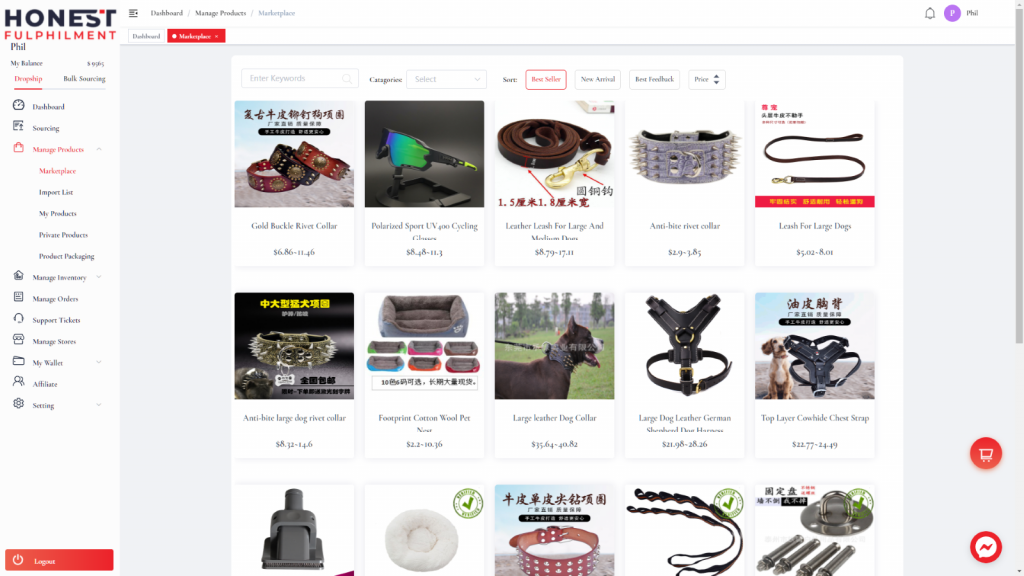
It is not easy for a seller to choose a high-quality supplier in a short period of time. At this time, we can rely on the professional team Honest FulPhilment. Honest FulPhilment has a professional team that can help you choose from a large number of suppliers, and can compare high-quality suppliers according to your requirements so that you can make a timely and fast selection, so as to facilitate the smooth development of your business. If you have questions about supplier convenience, please contact us.


FAQ
What is the difference between a distributor and a supplier?
Supplier is the broad term for anyone who provides goods or materials to a business, including manufacturers. A distributor is a specific type of supplier that buys products from manufacturers, often under an agreement, and resells them to wholesalers or retailers.
What is the difference between a wholesaler and a distributor?
A distributor typically partners with a few manufacturers, buys very large volumes and may market and support their products. A wholesaler buys from manufacturers or distributors, carries many brands and sells bulk quantities to retailers without a special relationship to any one manufacturer.
Is a wholesaler a supplier?
Yes. A wholesaler is a supplier to retailers: it supplies goods in bulk at wholesale prices that retailers then resell to consumers.
What is a wholesale supplier?
A wholesale supplier is a business that sells products in large quantities at discounted wholesale prices to retailers or other businesses, rather than to individual consumers.
Can anyone buy from a wholesaler?
Many wholesalers sell only to registered businesses and may ask for a business license or tax ID and a minimum order quantity. Some online wholesalers and dropshipping suppliers accept small businesses with low or no minimums.