
What Is a Multi-Vendor Marketplace? Meaning & Examples
Quick answer: A multi-vendor marketplace is one online platform where many independent sellers list and sell their products, like a shopping mall with many shops under one roof. The marketplace owner runs the site, brings in buyers and handles checkout, and earns a commission or fee on each sale; vendors manage their own products, stock and often shipping. Amazon, eBay and Etsy are the best-known examples.
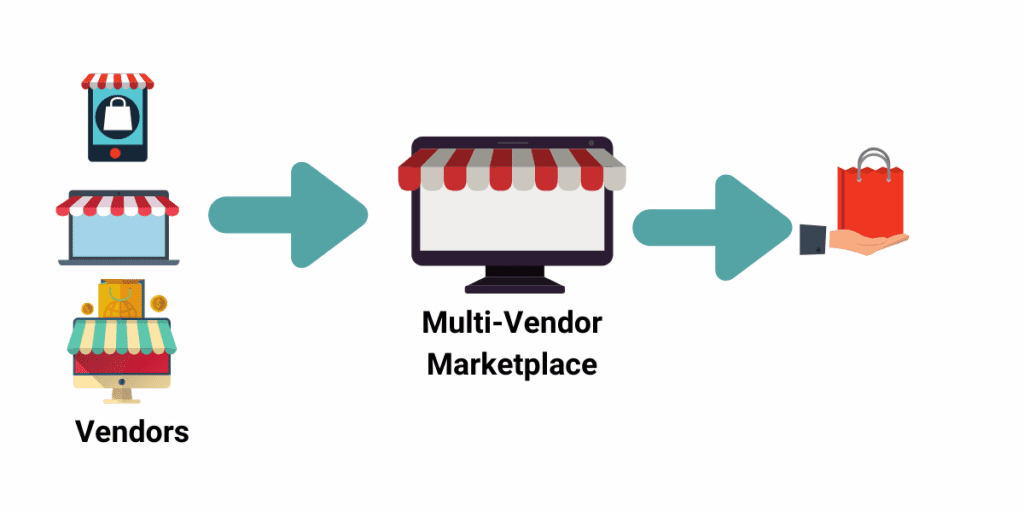
Are you worried that your single supplier is not conducive to price negotiation? Multi vendor marketplace or store is a platform for third-party sellers to sell in one place. In simple terms, it is a big store that contains various small shops that are run by individual vendors.
Let’s take an example, think of it as a mall that is owned by you that delivers products to people’s homes. As the meaning is clear, your mall contains many small stores. The responsibility of running each store lies with the different individual store owners whereas the focus of storing the products, delivering them to people’s homes, and accepting payments lies with you.
How to start a multivendor marketplace? Please follow this page without delay. It will help you control costs and gain more profits.
What are the Benefits of a Multi-Vendor Marketplace?
Increase sales
The market provides a variety of rich products, which can meet the different needs of customers, increase traffic and product sales, and enable sellers to obtain more benefits.
Timely processing of orders
Sellers in the multi-vendor market can monitor everything from product selection to delivery, process orders, and respond to customer feedback in a timely manner.
Reduce costs and workload
You don’t need to spend money and energy to manage the store, because everything is managed by the suppliers themselves.
Reduce procurement risk
Due to diversified channels, in case of any problem with a supplier, the supplier can be prepared immediately to reduce the procurement risk caused by delayed delivery.
Improve customer loyalty
Users of multi-vendor platforms aim at long-term cooperation. The convenience and ease of use of the multi-vendor market platform can help you win customer loyalty. Because once buyers find such a market, they are ready to continue to use it. You can also develop mobile applications. Once customers have the opportunity to run their business through smartphones, they will not switch to other platforms.
How to Start a Multi Vendor Marketplace?
First, you need to identify the product or service that your store is going to sell, choose a niche for dropshipping, and through effective market segmentation, you can effectively reduce competition, so you can better build a profitable market.
It is very important to identify the target audience. From the start, focusing on their preferences and needs will be more efficient in finding and engaging your unique customers.
After analyzing the strengths and weaknesses of your competitors, you can attract more customers with your own unique inventory and high-quality products and excellent service.
A monetization strategy refers to the way you make money on the platform, such as sales commissions, listing fees or vendor subscriptions. You need to define a revenue model that generates healthy profits without scaring away potential suppliers.
Choosing a Multi-Vendor Marketplace Payment Gateway
A normal online store sends every payment to one merchant. A multi-vendor marketplace needs a payment gateway that supports split payments: one customer checkout is divided between several vendors, and the marketplace commission is deducted automatically before each vendor is paid out. Stripe Connect and PayPal for Marketplaces are common choices. When comparing gateways, check vendor onboarding and identity verification, payout schedules, supported countries and currencies, and how refunds and chargebacks are split between you and the vendor.
Examples of Popular Multi Vendor Marketplaces
Top 5 Multi Vendor Marketplace Platforms
Dokan WooCommerce Plugin
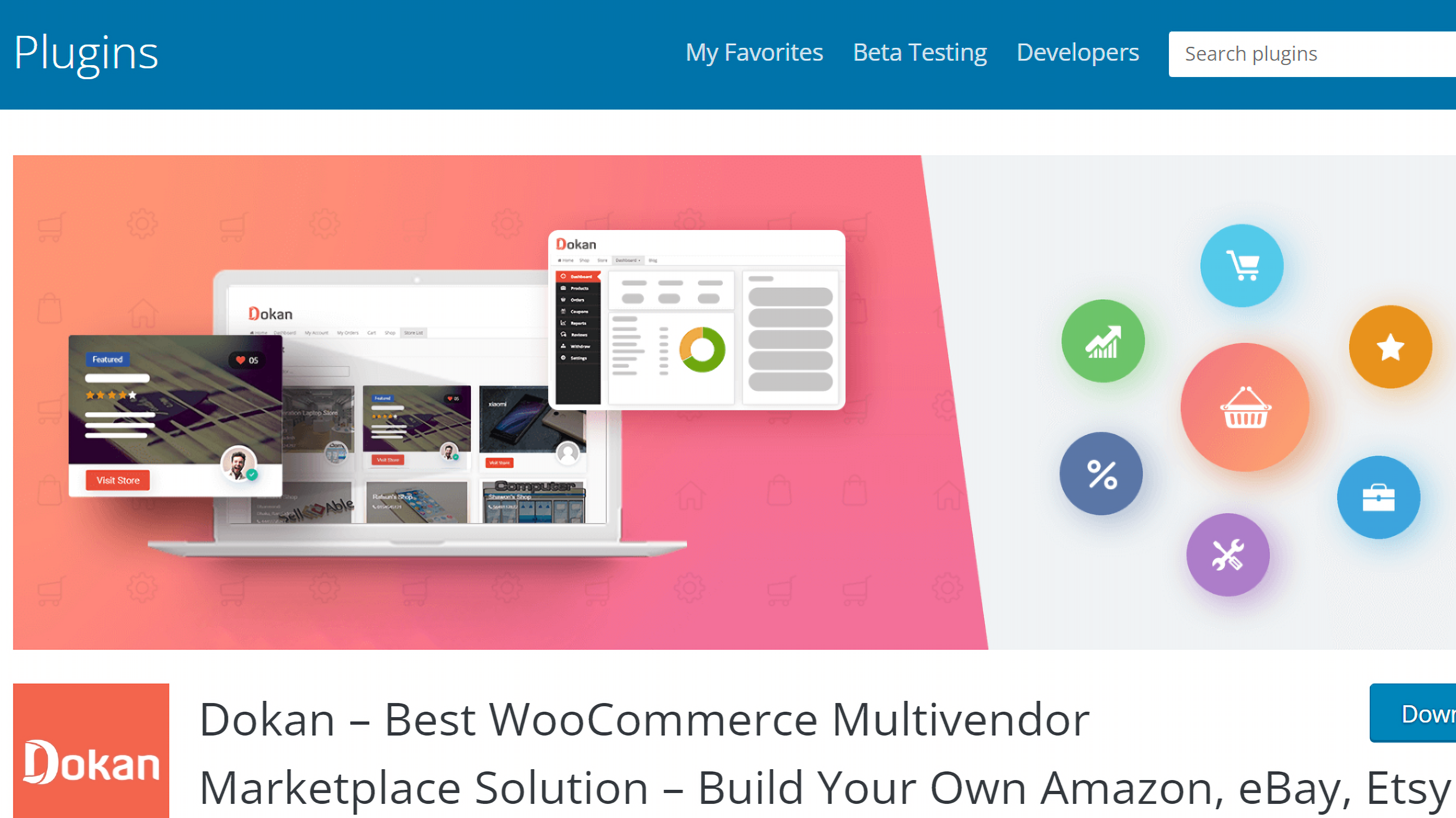
Dokan WooCommerce Plugin is the best front-end multi-vendor marketplace on WordPress powered by WooCommerce. It helps you build marketplaces like Amazon, Shopify, Magento, etc. in less than 30 minutes. Dokan is the fastest way to start e-commerce and make money with commissions.
Mayosis WordPress Marketplace
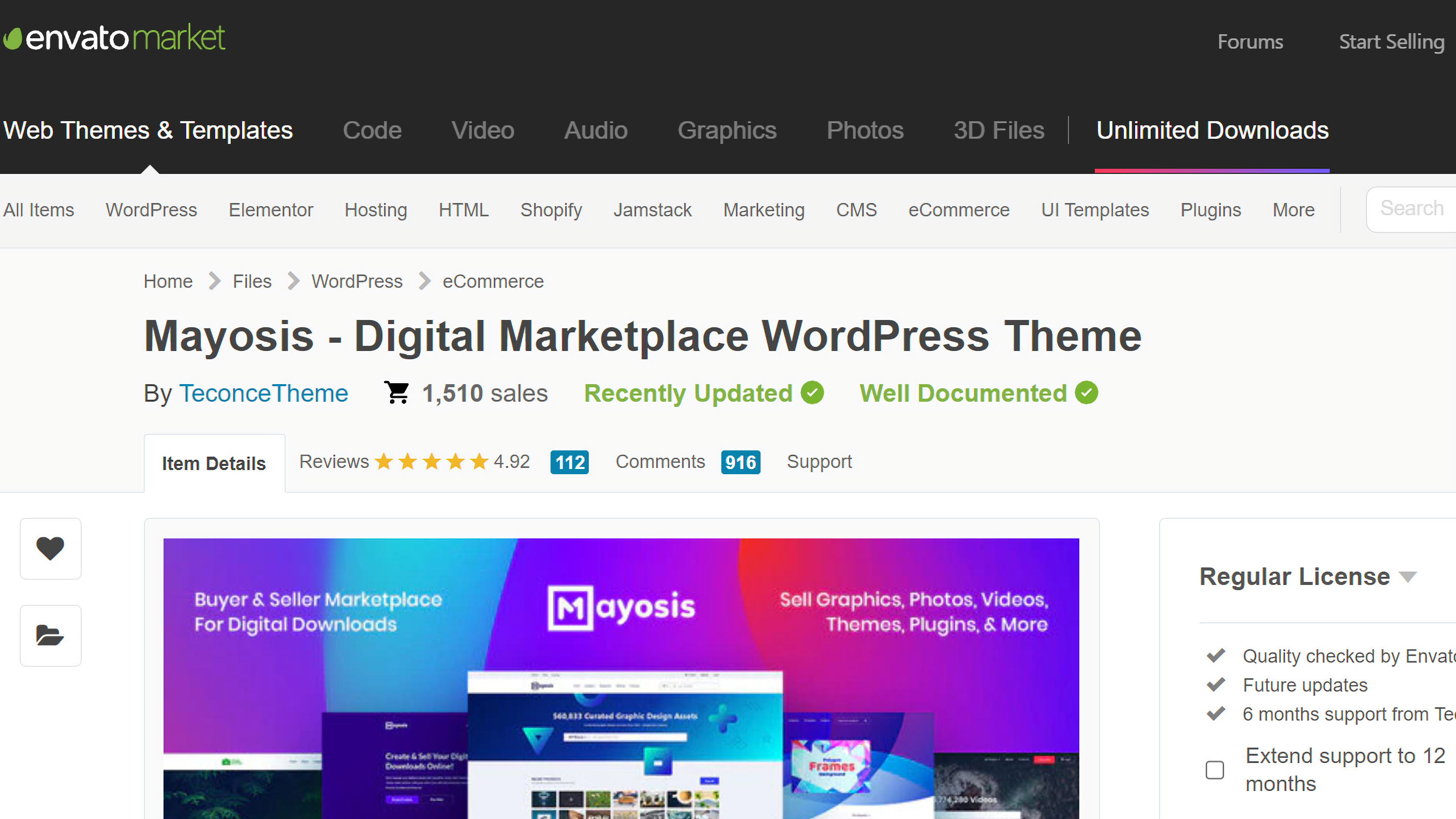
You can use Mayosis WordPress Marketplace if you want to give your users a better experience. You are free to customize products and services that are consistent with your business to meet the diverse needs of your customers, especially arts or crafts.
Yith WooCommerce Multi Vendor Extension

Suppliers on Yith WooCommerce Multi Vendor Extension can sign up for accounts to sell their products, and their stores can choose to use different languages to sell to customers across the country. Using it, you can create and manage any different market. You can take a commission from each sale, and the more you sell, the more commission. And you don’t need to be responsible for everything in order processing, which will bring you a lot of benefits.
Sharetribe Marketplace Software

Sharetribe is one of the popular SaaS platforms for quickly building and launching multi-vendor eCommerce websites. The software allows users to sell products or services online without any technical help as it is possible to create a marketplace without code.
It facilitates custody, trading, and online payment. The company is developing and improving by adding new functions and technologies.
Shopify marketplace software
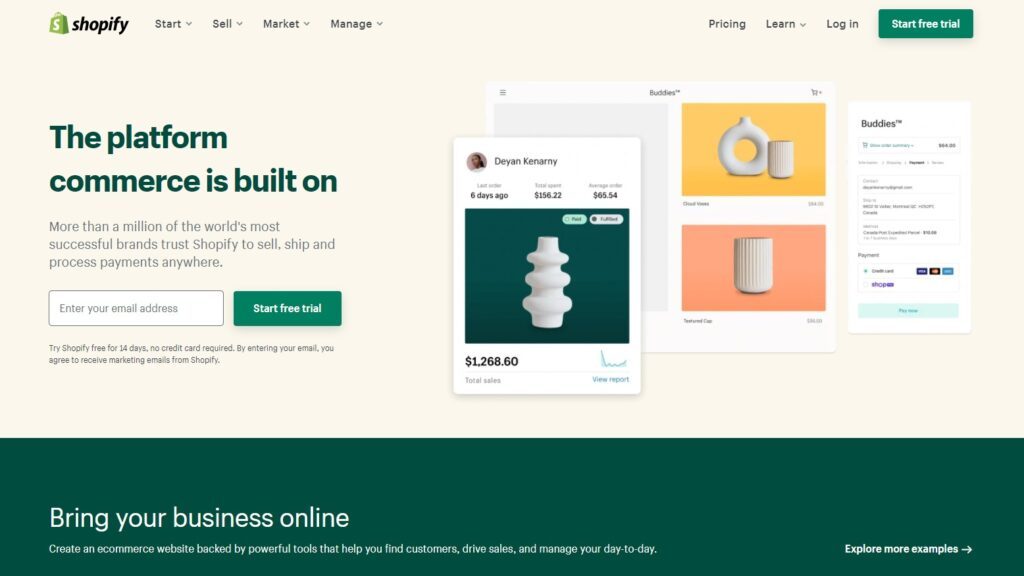
Shopify is a multi vendor software market. They are mainly concentrated on e-commerce websites, but it is also possible to establish a multi vendor market. It provides a professional online store and a payment solution that accepts credit cards. You don’t have to pay a developer to create a store. It can be easily integrated with third-party applications
Conclusion
Now you know that multi vendor marketplaces can bring a lot of traffic to merchants, increase product and customer awareness, and thus earn more profits. To start a multi vendor marketplace, you need to do more understanding. For the processing of various orders, it is necessary to find some honest and reliable partners.
Honest FulPhilment is a good choice. Our company not only has a full range of comprehensive services but also has an efficient after-sales service department that can help you deal with customer feedback issues in a timely manner. If you want to know more, please feel free to contact us.


FAQ
What is a multi-vendor marketplace?
A multi-vendor marketplace is a single online platform where many independent sellers (vendors) list and sell their products or services. The marketplace owner runs the website, attracts buyers and takes payments, and usually earns a commission or fee on each sale.
What does multi vendor mean?
Multi vendor means more than one seller. In e-commerce, a multi-vendor store or marketplace lets many vendors sell through one storefront, as opposed to a single-vendor store where one business sells only its own products.
What are examples of multi-vendor marketplaces?
Amazon, eBay and Etsy are well-known product marketplaces with many independent sellers. Zomato and Instacart are examples of multi-vendor marketplaces for restaurants and grocery stores.
What payment gateway does a multi-vendor marketplace need?
A multi-vendor marketplace needs a payment gateway that supports split payments, so one customer payment can be divided between several vendors and the marketplace commission. Stripe Connect and PayPal for Marketplaces are common choices.
What software can I use to build a multi-vendor marketplace?
Popular options include the Dokan and YITH Multi Vendor plugins for WooCommerce, the Mayosis WordPress theme for digital goods, Sharetribe as a no-code SaaS platform, and Shopify with multi-vendor marketplace apps.